Skip to content
Web & Commerce

Custom web development in Manchester, built for the way your business works.

Custom functionality, CMS architecture and integrations are built around what the website needs to do, with performance, accessibility and long-term maintenance planned from the start.

The context

The right build is more than a visual translation.

Generic themes can become restrictive when a website has specific content, performance or interaction requirements. Custom development creates room for the experience and editing workflow to match the job.

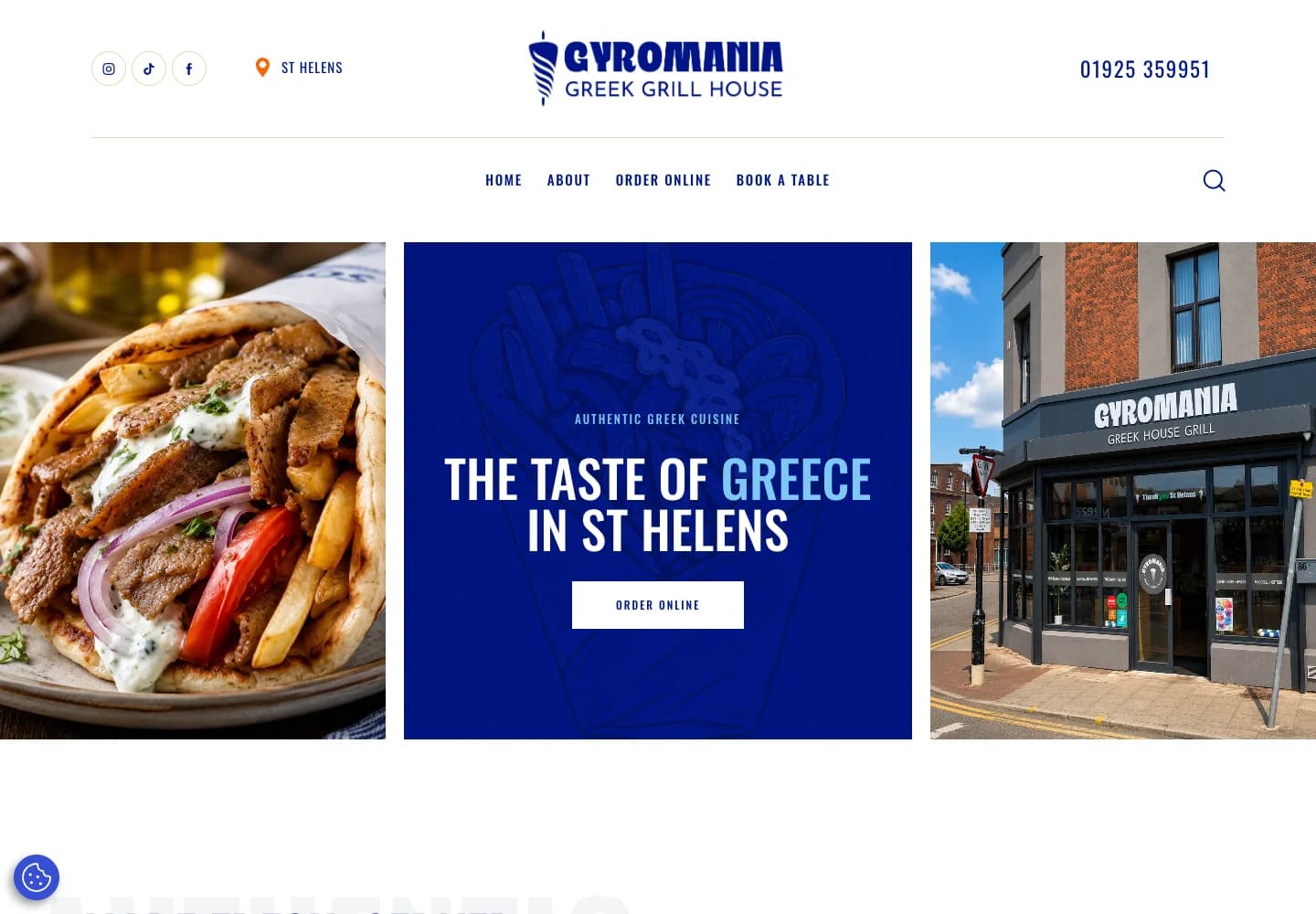
The technical approach follows the requirements, whether that calls for WordPress, a custom frontend or connected platforms. For Gyromania Greek, WordPress and WooCommerce connect the restaurant website with its menu, dish selection and order basket.

Capabilities

What the service covers

Implementation is planned as a maintainable system rather than a set of isolated pages.

  • 01Custom frontend development
  • 02Responsive implementation
  • 03CMS architecture
  • 04WordPress development
  • 05Reusable components
  • 06API and platform integrations
  • 07Performance and accessibility
  • 08Technical SEO foundations
Project scope

What a project may include

The build and handover reflect the content, integrations and ownership model of the project.

  • 01Production-ready frontend
  • 02Editable content models
  • 03Component and template library
  • 04Third-party service connections
  • 05Cross-device quality assurance
  • 06Launch and practical handover
Planning the work

Web Development: planning the work

Choose an editing model before a platform

A content-managed site should reflect who will update it and how often. We identify which pages need flexible sections, which fields should remain consistent and who approves changes. That decision affects templates, permissions and training more than the name of the CMS does. A small site with occasional edits may need a simpler setup than a site with many services, languages or authors.

Plan integrations as part of the brief

Forms, bookings, product data and external systems often become the most important technical details. We map what information moves between services, who owns it and what should happen if a connection fails. This helps distinguish a simple embedded tool from a custom integration. It also makes maintenance responsibilities visible before a third-party dependency becomes central to the customer journey.

Define quality beyond launch day

The build needs to work with real content, slow connections, keyboard navigation and changing screen sizes. We plan checks for page speed, accessible controls, errors and content editing as part of delivery. Handover should explain where content lives and which changes require development. That gives the owner a clearer view of how the site can be maintained and improved after its first release.

WordPress, React and Next.js where they fit

A WordPress build can suit a content-heavy site with familiar editing. React and Next.js can suit a more tailored frontend or application workflow. Neither is automatically the right answer. We compare content requirements, integrations, hosting, team skills and future maintenance before choosing a stack. Reusable components, semantic HTML, responsive CSS and documented API boundaries remain useful whichever platform is selected.

Project fit

Appropriate for

01

Websites that cannot be solved well with a generic template

02

Teams that need clear content editing and reusable page patterns

03

Existing sites with performance, accessibility or maintenance problems

Approach

Requirements guide the stack.

Technology choices follow the content, user journeys, operational needs and long-term ownership of the site.

  1. 01

    Specify

    Confirm behaviour, content, integrations and non-functional requirements.

  2. 02

    Architect

    Plan components, content models and the implementation approach.

  3. 03

    Build

    Develop responsive, accessible pages and connected functionality.

  4. 04

    Assure

    Test performance, browsers, devices, content editing and launch conditions.

Connected capabilities
FAQ

Web Development: what to know before starting.

Which platform will the website use?

That depends on the editing, functionality and maintenance requirements. The recommendation is made after the project constraints are understood.

Can Ready Creation develop an existing design?

Yes, provided the design can be reviewed for responsive behaviour, accessibility, content states and implementation detail before development begins.

Are performance and technical SEO included?

They are treated as build foundations. Deeper search strategy, analytics and ongoing optimisation can be scoped through SEO & Digital Growth.

Can the site be updated without a developer?

The agreed content model can expose the pages and fields your team needs to edit. We decide what should be editable during scoping so routine changes do not depend on code, while protected layout decisions stay consistent.

Can an existing website be improved instead of rebuilt?

Yes, if its platform and code can support the required changes. An initial review helps decide whether targeted fixes, a new template or a wider rebuild is the more sensible use of the budget.

Start a project

Bring the requirement, even if the scope is not settled yet.

Share the business need, current system and practical constraints. The reply will suggest a useful next step.