The offer is still changing
Early messaging can become vague when a business serves several audiences at once. We can identify the first audience and the decision the website should help them make.
Ready Creation
A new venture often has more ideas than confirmed answers. A useful first site or product should explain the offer, let people take a next step and leave room for the team to learn from real use.
Early messaging can become vague when a business serves several audiences at once. We can identify the first audience and the decision the website should help them make.
A feature list is not a product plan. Defining essential flows and known unknowns helps keep a first version feasible and reviewable.
The team needs to know who can edit content, manage accounts and maintain the system after launch. Those choices affect technology from the start.
We can shape a clear brand and website, or plan a smaller digital product around one core task. Research, scope and technical choices should match the evidence and budget available, without promising market fit or growth.
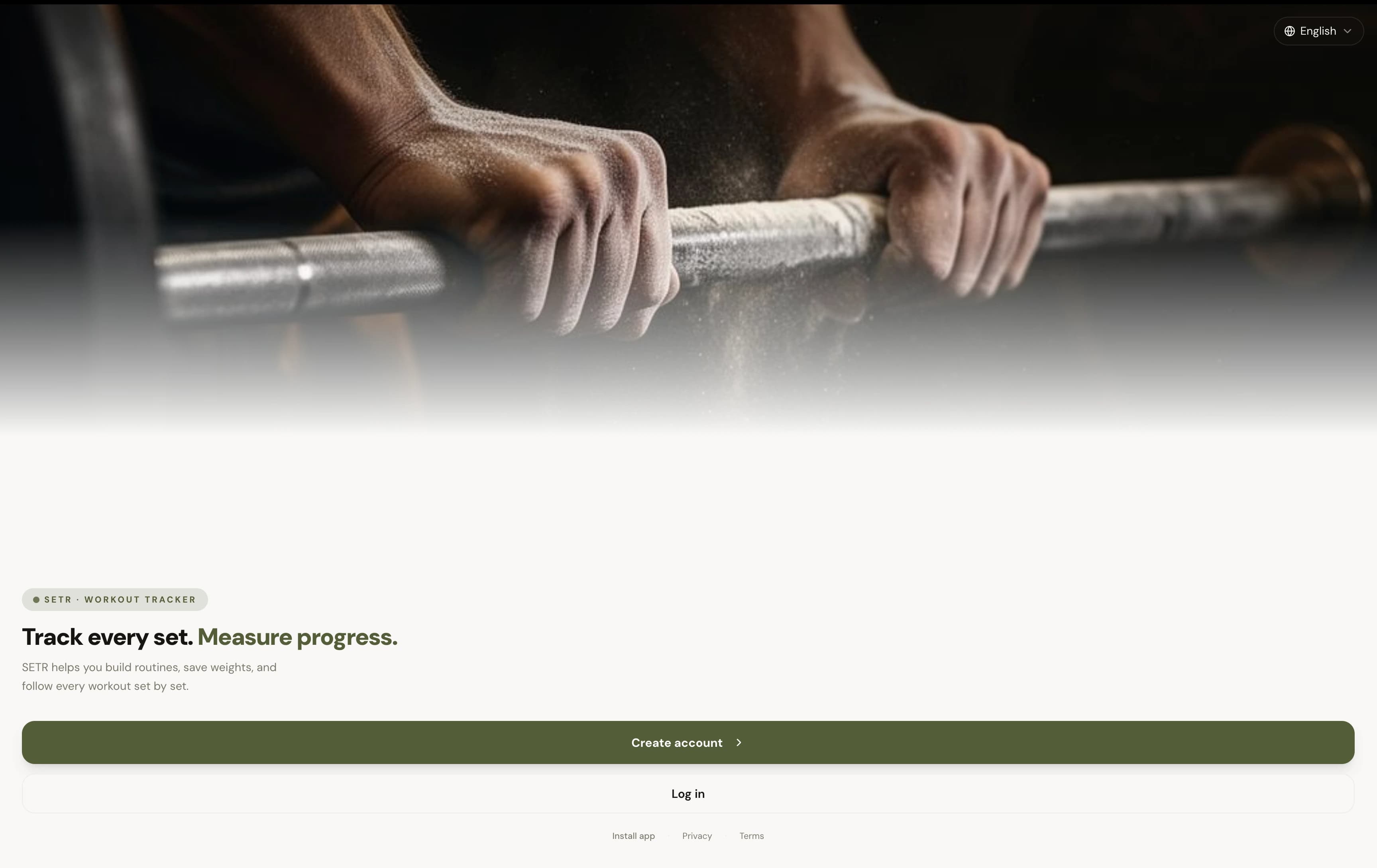
SETR is an internal product example, not a commissioned startup case. It shows product positioning and an app interface, without making claims about traction.
Not always. A focused set of visual and verbal rules may be enough for a first release, with room to develop the identity later.
Yes. We can define one core task, the minimum supporting flows and what evidence would justify expansion.
The site or product should have editable content and a structure that can evolve. The cost of larger changes depends on the decisions made in the first build.
Yes, where the integration has a clear purpose and the third-party system allows it. Access, permissions and maintenance need to be scoped.